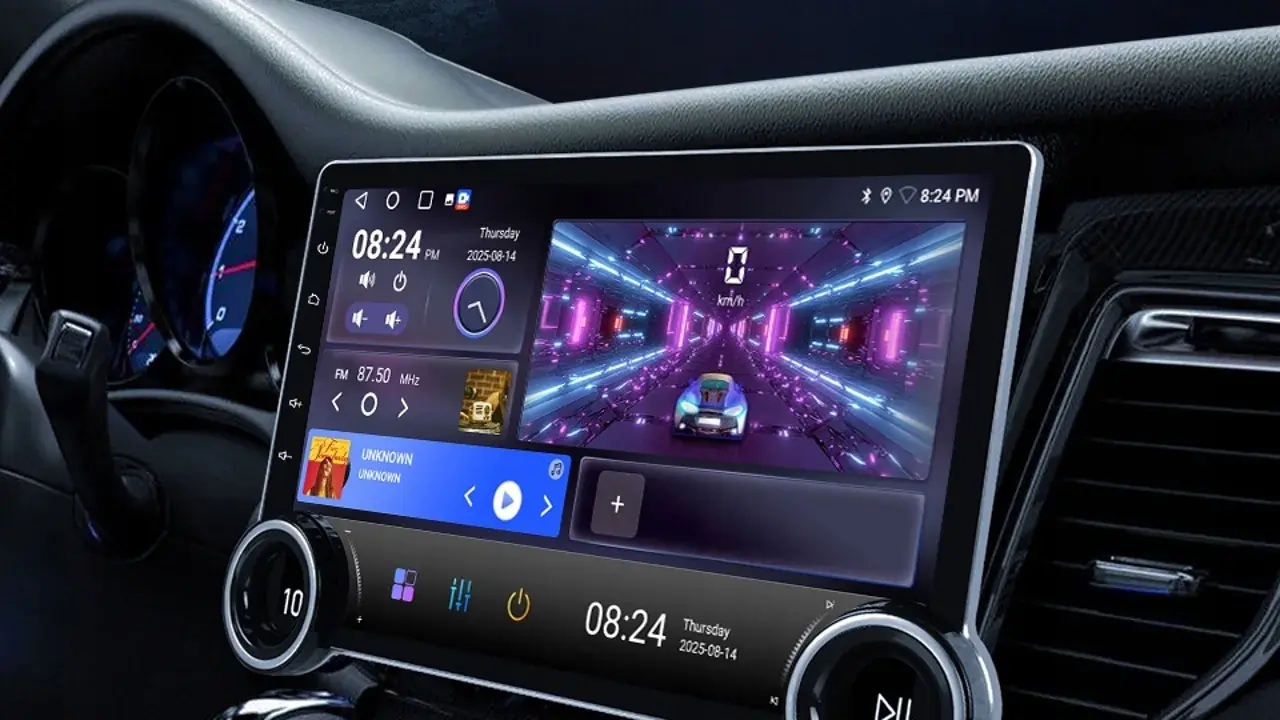
Passengers and AABrowser: The Co-Pilot Setup That Makes Journeys Better
Every rule about car screens exists to protect the driver, which makes the passenger AABrowser's natural citizen. A good front-seat passenger with a browser is a co-pilot: researcher, navigator's assistant, booking agent, and DJ of useful facts, all while the driver simply drives. You can also start from the AABrowser homepage for the full overview.
Being good at the role is a skill. Information delivered badly, a whole article read aloud at motorway speed, distracts; information delivered well, the right fact at the right moment, makes journeys feel professionally run.
This guide defines the passenger's role properly: what to research, how to communicate it, how bookings and stops get managed from the passenger seat, and where the passenger's responsibilities end.
The Co-Pilot's Job Description
The passenger owns the screen so the driver never has to: searches, page reading, option comparisons, and form-filling all live on the passenger side of the cabin.
The driver's inputs are preferences and decisions, spoken briefly; the passenger converts them into research and returns with a shortlist, not a scroll.
Agree this division before the journey, ideally as a standing arrangement, so nobody negotiates roles at the first unexpected road closure.
Communicate Like a Newsreader, Not a Novel
Deliver conclusions, not processes: 'the next fuel is in 12 kilometres and it has a cafe' beats five minutes of browsing narrated live.
Read aloud only the decisive lines, prices, times, distances, addresses, and offer detail when asked rather than streaming it uninvited.
Time your updates for calm road moments; a complicated booking summary can wait ninety seconds for the junction to pass.
Manage Stops, Bookings and Changes
The passenger seat is the travel desk: checking a hotel's check-in time, finding food near the next stop, re-timing a booking when traffic steals an hour.
Confirm every change back to the driver in one sentence, because shared awareness is the point of having a co-pilot at all.
Keep references, addresses, codes, confirmations, in one note the driver can read when parked, so the knowledge survives the passenger's nap.
- Conclusions, not narration
- One-sentence confirmations
- One shared note for references
- Timing updates for calm moments
Respect the Boundaries of the Role
The passenger's screen work ends where the driver's attention begins: no showing the driver 'just look at this', no reading out anything that demands a visual answer.
Volume and brightness are cabin diplomacy; a blazing screen and loud video from the passenger side are distractions wearing a legal costume.
When the passenger is tired, the role closes. A sleeping co-pilot and a self-sufficient driver beat a drowsy researcher every time. You can explore this in more depth in the How to Use AABrowser on Android Auto | Complete Beginner Guide.
Back-Seat Passengers and Shared Journeys
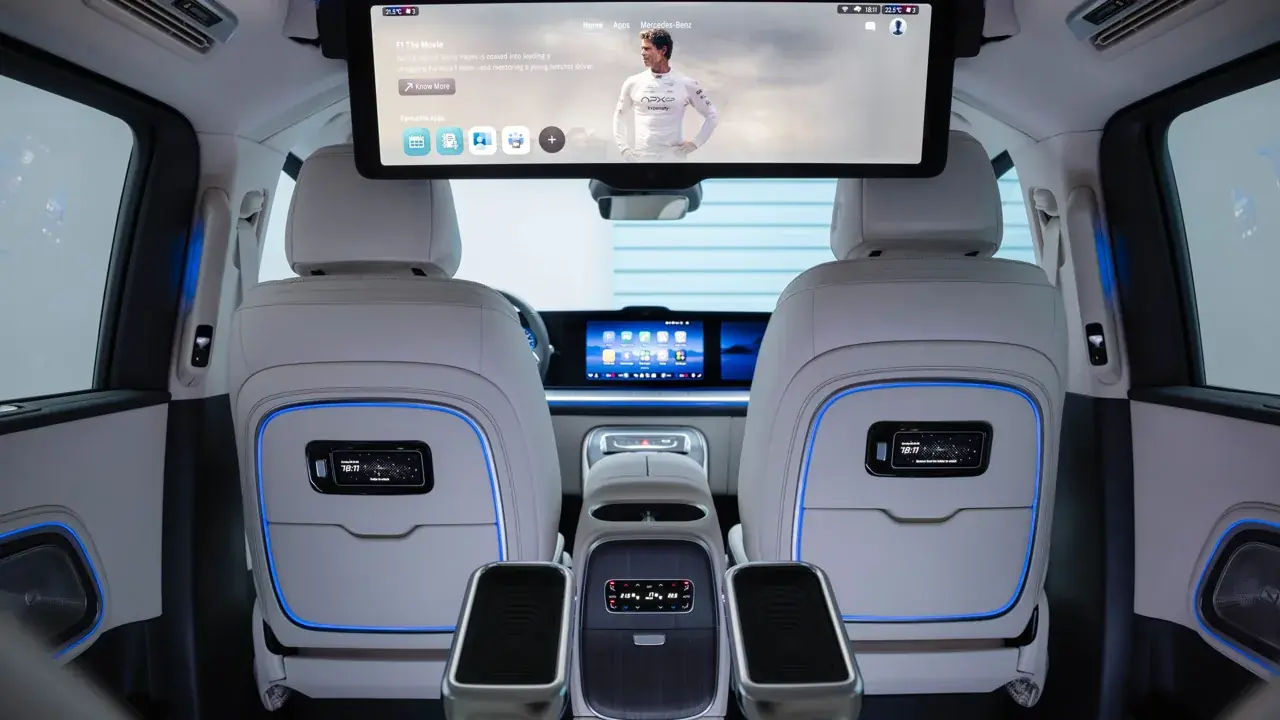
Rear passengers on their own devices can join the research effort for group decisions, restaurants, sights, fuel, with the front passenger curating rather than competing.
Children old enough to search can be given real missions: find the lunch town's best-rated bakery, check the destination weather, which builds genuine travel skills.
The head unit remains the shared decision screen at stops, where everyone's research meets and the day gets planned together.