What Comes Next: AABrowser, Android Auto and the Future of In-Car Browsing
In-car browsing exists in a fascinating gap: cars have become computers with excellent screens, while the rules governing those screens still assume a world of radios and CD players. AABrowser lives in that gap, and its future will be shaped by how the gap closes. You can also start from the AABrowser homepage for the full overview.
Some directions are already visible: bigger displays, cars that spend real time parked at chargers, assistants growing more capable, and vehicles designed around software from the first sketch. Others depend on policy choices by platform owners that no one outside can schedule.
This guide separates the likely from the wishful: the trends genuinely reshaping car browsing, what they mean for AABrowser users, and the habits worth building now because they will matter in every version of the future.
Bigger Screens and Split Layouts
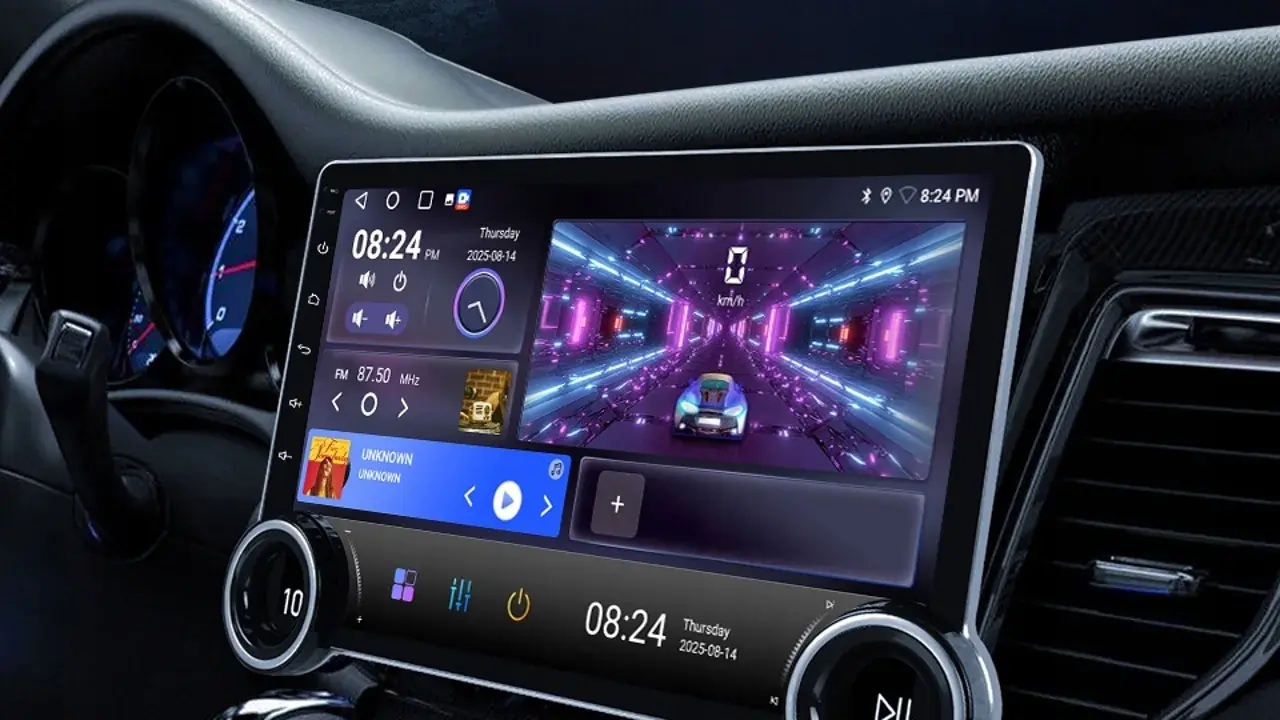
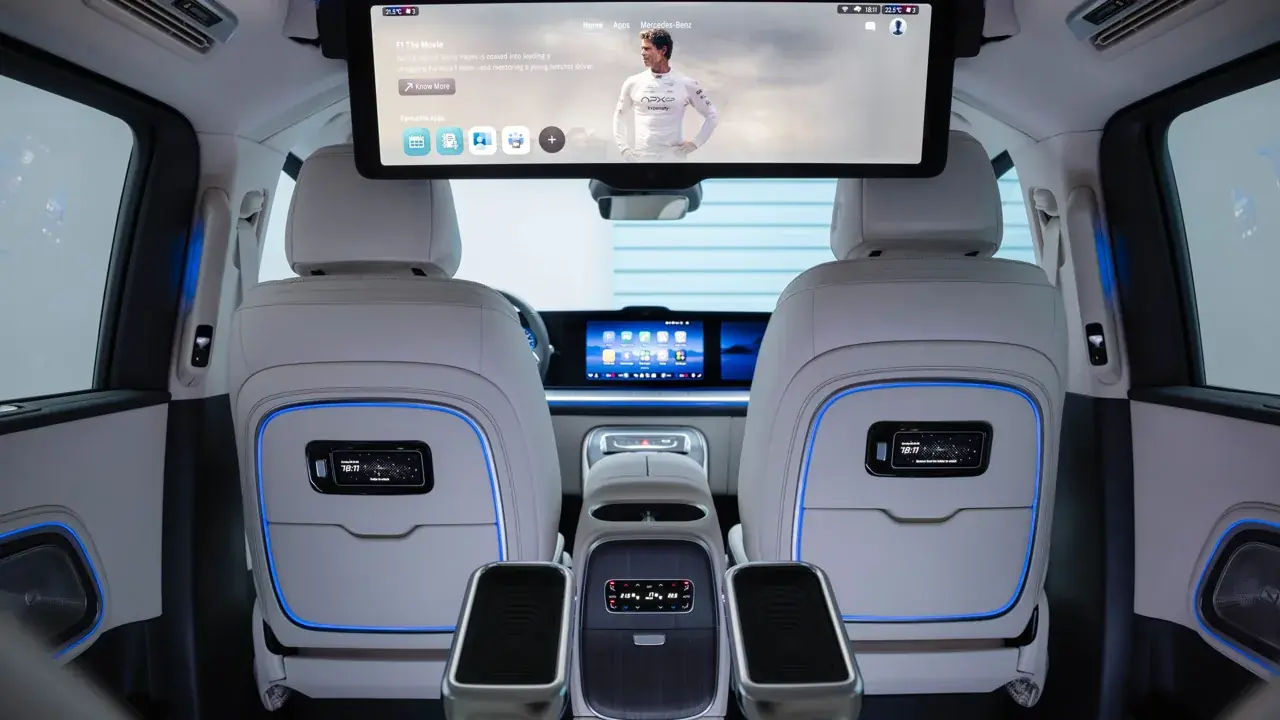
Dashboards are converging on wide, software-defined displays, and browsing benefits directly: pages gain room, split views pair a map with information, and parked media becomes genuinely cinematic.
Expect car interfaces to borrow more tablet logic, with resizable areas and layouts that finally use the width manufacturers keep adding.
For users, display and scaling skills transfer: every future car browser will reward the owner who tunes text and layout deliberately.
Charging Time Is the New Waiting Time
Electric vehicles have quietly created the in-car browser's best use case: predictable, stationary, screen-friendly time at chargers, several times a month, for millions of drivers.
Services around charging, food, rest, local information, become natural browser territory, and parked entertainment shifts from novelty to infrastructure.
Whatever platform owners decide about moving-car restrictions, parked time is unambiguously legitimate, and it is growing.
Voice and AI Assistance Grow Up
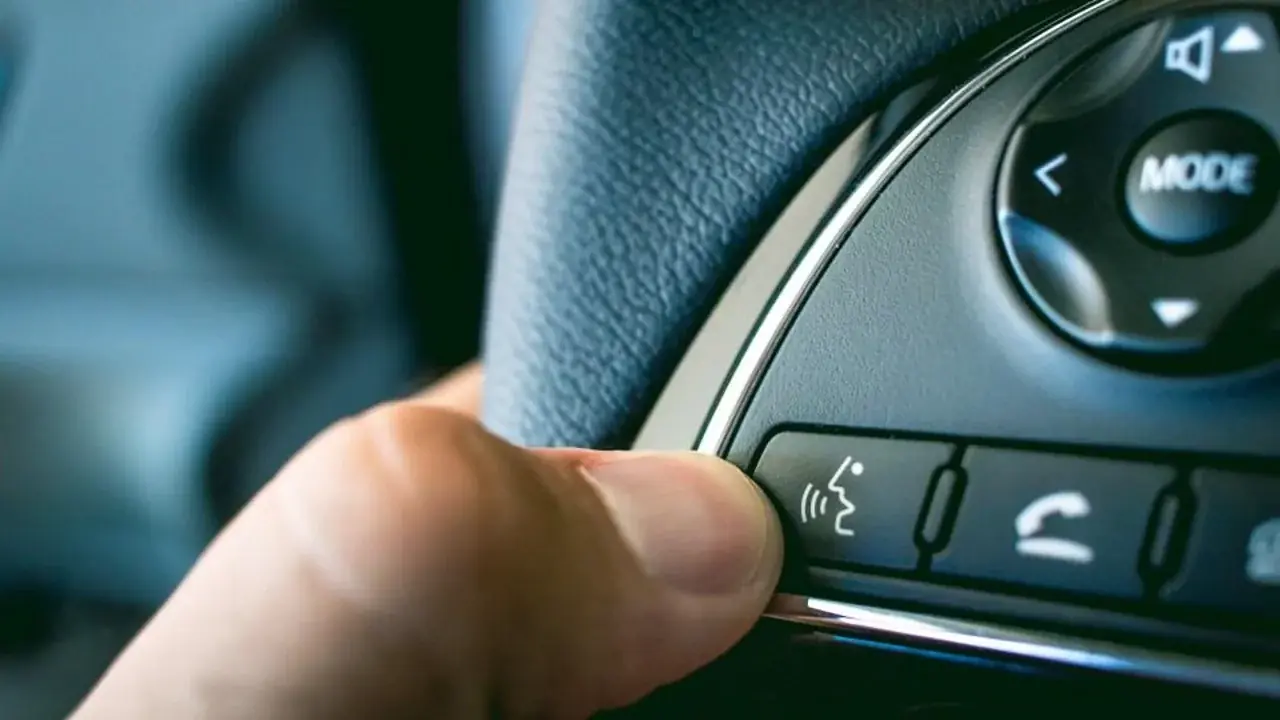
Assistants are moving from command obedience toward genuine helpfulness: summarising a page, comparing options aloud, managing a journey's changes conversationally.
That evolution suits cars perfectly, because the winning interface at speed has always been spoken, with the screen as the assistant's notebook rather than the driver's textbook.
Browsing will likely become more directed: you will ask, the system will research, and the screen will show the answer rather than the searching. You can explore this in more depth in the Using AABrowser With Voice Commands on Android Auto | Hands-Free Guide.
The Policy Question That Decides Everything
Whether mainstream platform policy ever blesses full browsers on car screens remains the open question hanging over projects like AABrowser.
Safety evidence, parked-use design, and passenger modes are the arguments that will decide it, which is why today's community norms, parked-only video, driver discipline, matter beyond politeness.
Open-source projects serve as the laboratory: features proven sensible in AABrowser's world are the ones platforms eventually adopt officially.
- Screens keep growing
- Charging time expands parked use
- Voice becomes the primary interface
- Policy follows proven safe design
What to Do Now as a User
Build the habits that survive any version of the future: a tidy bookmark set, tuned display settings, privacy discipline on shared screens, and absolute parked-only rules for rich media.
Keep the app and system updated, because in a young category the improvements arrive as updates rather than announcements.
And keep expectations calibrated: the future of car browsing is promising precisely because its present, a capable open-source browser on your dashboard today, already works.